
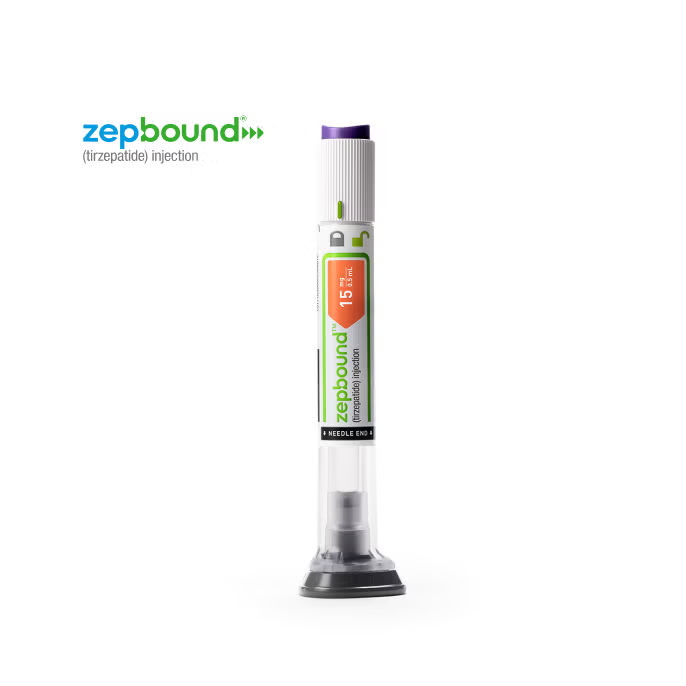
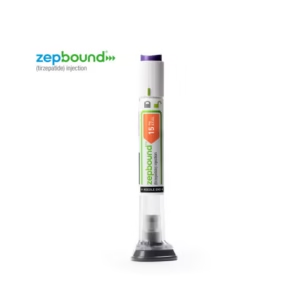
Product Description: Zepbound® (tirzepatide) 15 mg/0.5 mL
Zepbound® (tirzepatide) is a high-potency, once-weekly injectable prescription medication indicated as an adjunct to a reduced-calorie diet and increased physical activity for chronic weight management in adults with an initial body mass index (BMI) of:
-
30 kg/m² or greater (obesity), or
-
27 kg/m² or greater (overweight) in the presence of at least one weight-related comorbid condition (e.g., hypertension, type 2 diabetes mellitus, or dyslipidemia).
Product Specifications
-
Dosage Strength: 15 mg per 0.5 mL.
-
Presentation: Single-dose prefilled pens.
-
Package Configuration: Carton containing 4 Single-Dose Prefilled Pens (a 28-day supply for weekly administration).
-
Route of Administration: Subcutaneous injection (abdomen, thigh, or upper arm).
-
Pharmacology: As a dual GIP (glucose-dependent insulinotropic polypeptide) and GLP-1 (glucagon-like peptide-1) receptor agonist, Zepbound serves as a metabolic regulator. At this dosage, it provides maximal therapeutic effect by delaying gastric emptying and increasing satiety, thereby significantly reducing caloric intake.
Important Safety Information
WARNING: RISK OF THYROID C-CELL TUMORS In rodent studies, tirzepatide has been shown to cause thyroid C-cell tumors. It is currently unknown whether Zepbound causes thyroid C-cell tumors, including medullary thyroid carcinoma (MTC), in humans. Zepbound is strictly contraindicated in patients with a personal or family history of MTC or in patients with Multiple Endocrine Neoplasia syndrome type 2 (MEN 2).
Clinical Precautions
-
Contraindications: History of MTC or MEN 2; known hypersensitivity to tirzepatide or any excipients.
-
Gastrointestinal Monitoring: At the 15 mg dose level, patients may experience an increased incidence of gastrointestinal adverse events, including severe nausea, vomiting, or diarrhea, which could lead to dehydration.
-
Gallbladder Risk: Post-marketing reports have indicated cases of acute gallbladder disease; monitor patients for biliary symptoms.
-
Hypoglycemia: Risk is elevated in patients also utilizing insulin or secretagogues; dose adjustments for those medications may be required.
-
Injection Site Reactions: Use caution to rotate sites to prevent localized inflammation or cutaneous reactions.
Storage and Handling
-
Temperature: Store refrigerated at 36°F to 46°F (2°C to 8°C).
-
Room Temperature Policy: If necessary, the pen may be stored at room temperature (not exceeding 86°F or 30°C) for a maximum of 21 days.
-
Protection: Maintain in the original carton to protect from light. Do not freeze.
Disclaimer: This information is for professional reference purposes only and does not constitute medical advice. Please refer to the official FDA-approved Prescribing Information, including the Medication Guide and Instructions for Use, for complete clinical protocols and safety guidance.
Reviews
There are no reviews yet.