
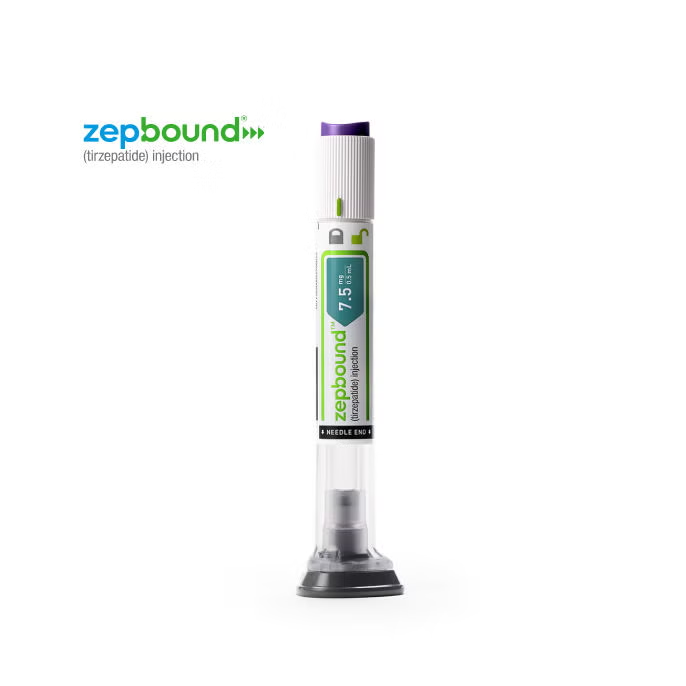
Zepbound® (tirzepatide) is an FDA-approved prescription medication indicated for chronic weight management in adults. It functions as a dual glucose-dependent insulinotropic polypeptide (GIP) and glucagon-like peptide-1 (GLP-1) receptor agonist, a unique mechanism that helps regulate appetite and slow gastric emptying, thereby promoting satiety and weight loss.
Clinical Indications and Usage
Zepbound is prescribed alongside a reduced-calorie diet and increased physical activity. It is specifically indicated for:
-
Adults with obesity (BMI of 30 kg/m² or greater).
-
Adults who are overweight (BMI of 27 kg/m² or greater) and have at least one weight-related comorbid condition, such as hypertension, type 2 diabetes, or dyslipidemia.
-
Adults with obesity who also suffer from moderate to severe obstructive sleep apnea (OSA).
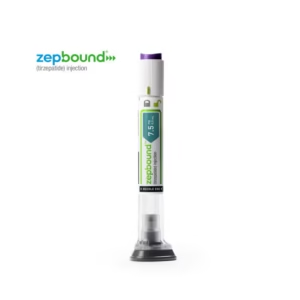
Administration of the 7.5 mg Dose
Zepbound is administered via a once-weekly subcutaneous injection. The 7.5 mg dosage is an intermediate maintenance strength, typically reached after a period of dose escalation (starting at 2.5 mg and increasing in 2.5 mg increments every four weeks).
-
Injection Sites: You may inject the medication into the abdomen (at least 2 inches away from the belly button), the front of the thigh, or the back of the upper arm (if administered by a caregiver).
-
Rotation: It is crucial to rotate the injection site each week to prevent local irritation or tissue damage. Do not inject into skin that is bruised, tender, scarred, or otherwise damaged.
-
Storage: The medication should be kept refrigerated. Before injection, inspect the liquid; it should be clear and colorless to slightly yellow. Do not use the medication if you notice particles or discoloration.
Safety Warnings and Precautions
Zepbound carries significant medical warnings that require careful monitoring:
-
Boxed Warning (Thyroid C-Cell Tumors): In animal studies, tirzepatide caused thyroid C-cell tumors. It is unknown if this risk extends to humans. Zepbound is strictly contraindicated for patients with a personal or family history of medullary thyroid carcinoma (MTC) or those with Multiple Endocrine Neoplasia syndrome type 2 (MEN 2).
-
Gastrointestinal Issues: Severe nausea, vomiting, and diarrhea are common, particularly during dose increases. These can lead to dehydration and, in severe cases, acute kidney injury.
-
Pancreatitis: Stop the medication and seek medical attention immediately if you experience persistent, severe abdominal pain that may radiate to your back, often accompanied by vomiting.
-
Gallbladder Disease: Rapid weight loss and the medication itself may increase the risk of cholecystitis (gallbladder inflammation) or gallstones.
-
Hypoglycemia: While Zepbound alone does not typically cause low blood sugar, the risk increases significantly if used in conjunction with insulin or insulin-secretagogues (like sulfonylureas).
Common Side Effects
Most patients experience mild-to-moderate digestive symptoms as their body adjusts to the medication, especially when starting a new dosage level:
-
Nausea and indigestion (dyspepsia)
-
Diarrhea or constipation
-
Abdominal pain or bloating
-
Fatigue
-
Injection site reactions (redness, itching, or swelling)
Important Considerations
-
Consultation: Always follow the specific instructions provided by your healthcare provider. If you experience severe symptoms, such as an inability to keep fluids down, signs of an allergic reaction (swelling, difficulty breathing), or unexplained vision changes, seek emergency medical care immediately.
-
Pregnancy: Zepbound is not recommended during pregnancy. If you are pregnant or planning to become pregnant, notify your doctor immediately.
-
Surgical Procedures: If you have an upcoming surgery requiring anesthesia, inform your surgeon or anesthesiologist that you are taking Zepbound, as it may affect the safety of the procedure regarding stomach contents.
Reviews
There are no reviews yet.