
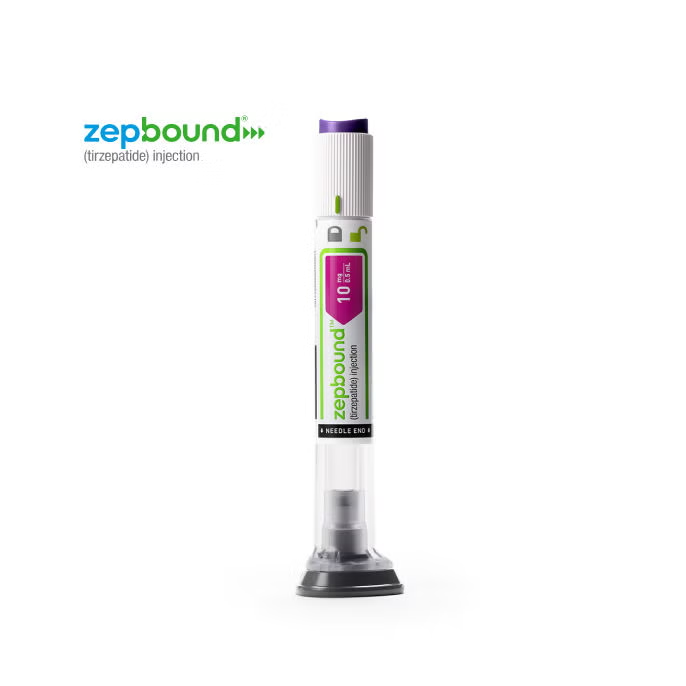
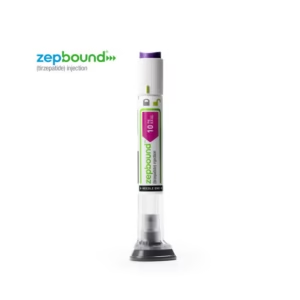
Product Description: Zepbound® (tirzepatide)
Zepbound® (tirzepatide) is an injectable prescription medication indicated as an adjunct to a reduced-calorie diet and increased physical activity for chronic weight management in adults with an initial body mass index (BMI) of:
-
30 kg/m² or greater (obesity), or
-
27 kg/m² or greater (overweight) in the presence of at least one weight-related comorbid condition (e.g., hypertension, type 2 diabetes mellitus, or dyslipidemia).
Specifications: 10 mg/0.5 mL
-
Active Ingredient: Tirzepatide.
-
Dosage Strength: 10 mg per 0.5 mL solution.
-
Administration: Subcutaneous injection (typically administered once weekly).
-
Mechanism of Action: Tirzepatide is a dual glucose-dependent insulinotropic polypeptide (GIP) receptor and glucagon-like peptide-1 (GLP-1) receptor agonist. It acts by mimicking the effects of incretin hormones, which regulate appetite and caloric intake by increasing feelings of satiety and slowing gastric emptying.
Important Safety Information
WARNING: RISK OF THYROID C-CELL TUMORS
In rodents, tirzepatide causes thyroid C-cell tumors. It is unknown whether Zepbound causes thyroid C-cell tumors, including medullary thyroid carcinoma (MTC), in humans. Zepbound is contraindicated in patients with a personal or family history of MTC or in patients with Multiple Endocrine Neoplasia syndrome type 2 (MEN 2).
Key Contraindications & Warnings
-
Contraindications: Patients with a personal or family history of MTC or MEN 2; patients with a known serious hypersensitivity to tirzepatide or any of the excipients in Zepbound.
-
Pancreatitis: Discontinue use if pancreatitis is suspected.
-
Hypoglycemia: Risk may be increased when used in combination with insulin or insulin secretagogues.
-
Gallbladder Disease: Acute events of gallbladder disease (e.g., cholelithiasis or cholecystitis) have been reported.
-
Gastrointestinal Disease: Use is not recommended in patients with severe gastrointestinal disease, including severe gastroparesis.
Common Adverse Reactions
The most common adverse reactions reported in clinical trials (typically $\ge 5\%$) include:
-
Nausea
-
Diarrhea
-
Vomiting
-
Constipation
-
Abdominal pain
-
Dyspepsia
-
Injection site reactions
-
Fatigue
-
Hypersensitivity reactions
-
Eructation (belching)
-
Hair loss (alopecia)
-
Gastroesophageal reflux disease (GERD)
Disclaimer: This information is for professional informational purposes only and does not constitute medical advice, diagnosis, or treatment. Always refer to the official FDA-approved Full Prescribing Information (including the Medication Guide) for comprehensive clinical data and safety instructions.
Reviews
There are no reviews yet.